
Open in Figma
Design File Template
Mission & Overview
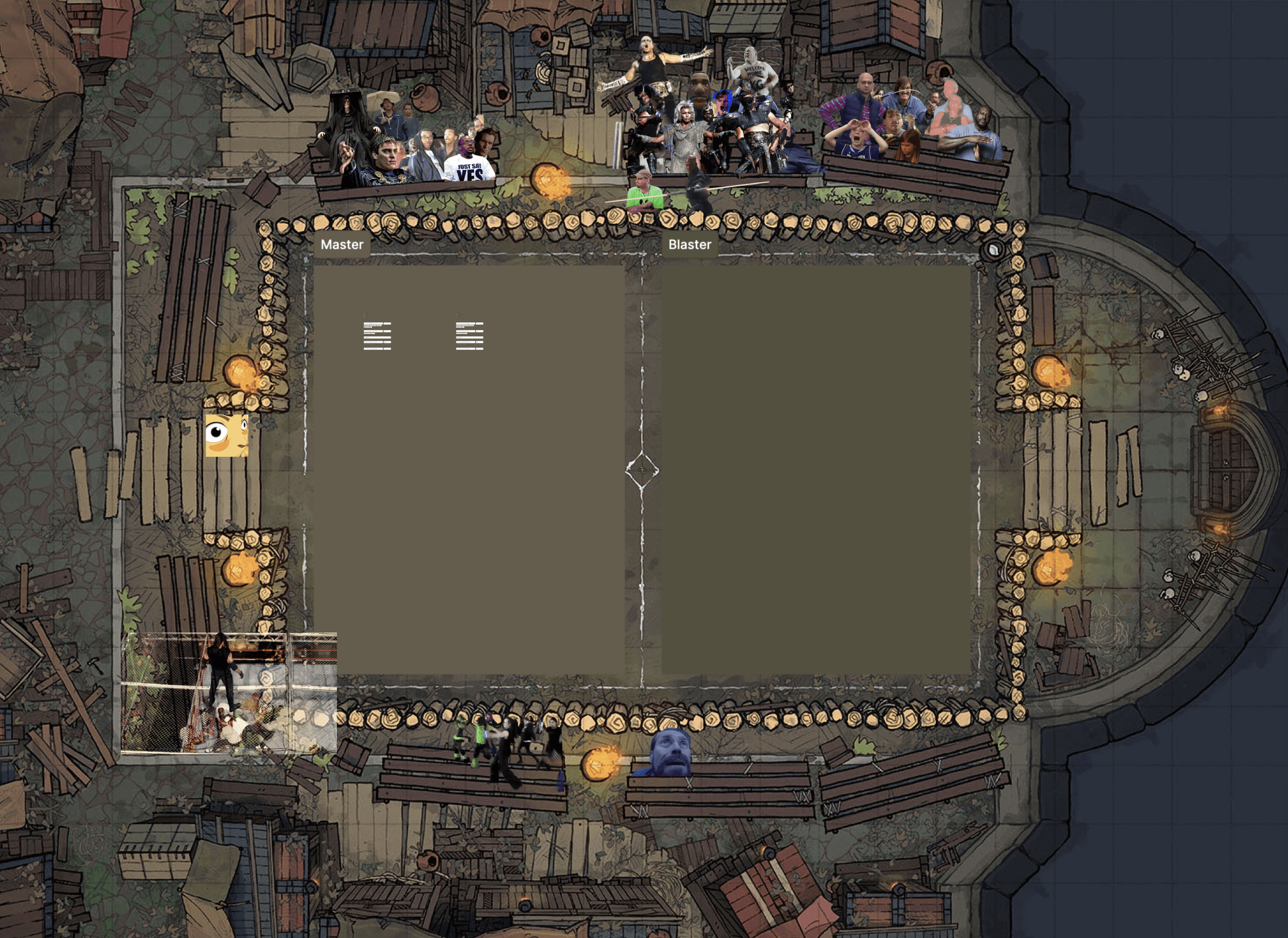
Yes, that preview image is a D&D battle map of our Thunderdome. I promise it makes sense…
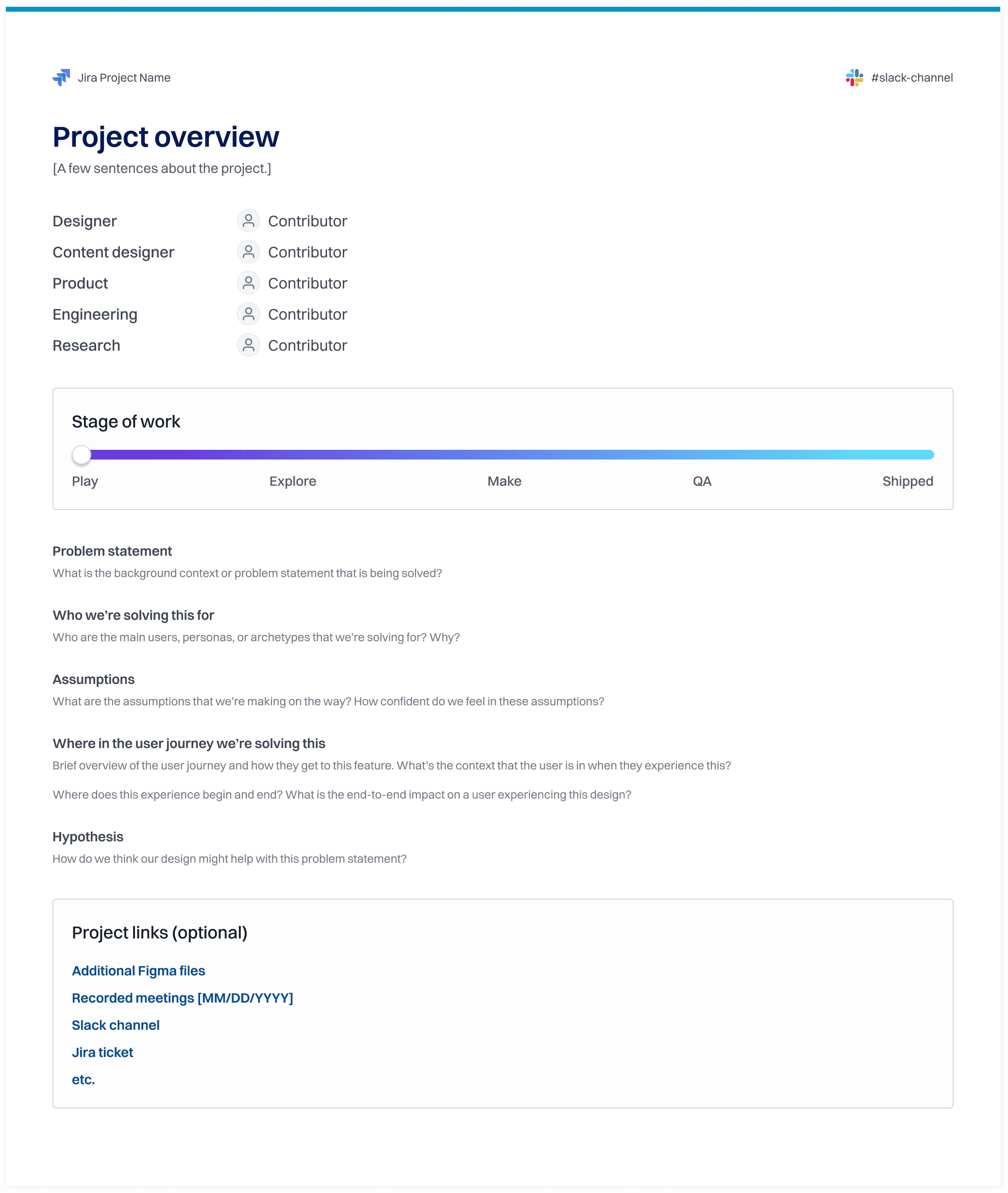
On a more serious note, I built the Product Design File Template to bring a little order to an otherwise messy design process. At YinzCam, I kept seeing inconsistencies in how files were structured and shared, which made collaboration harder than it needed to be. As a UX designer, I rely on clear structure and intuitive workflows, so this template helps teams stay aligned by standardizing how work is created, reviewed, handed off, QAed, and tracked - giving everyone a shared source of truth and a clearer path from idea to production.
Work Flow
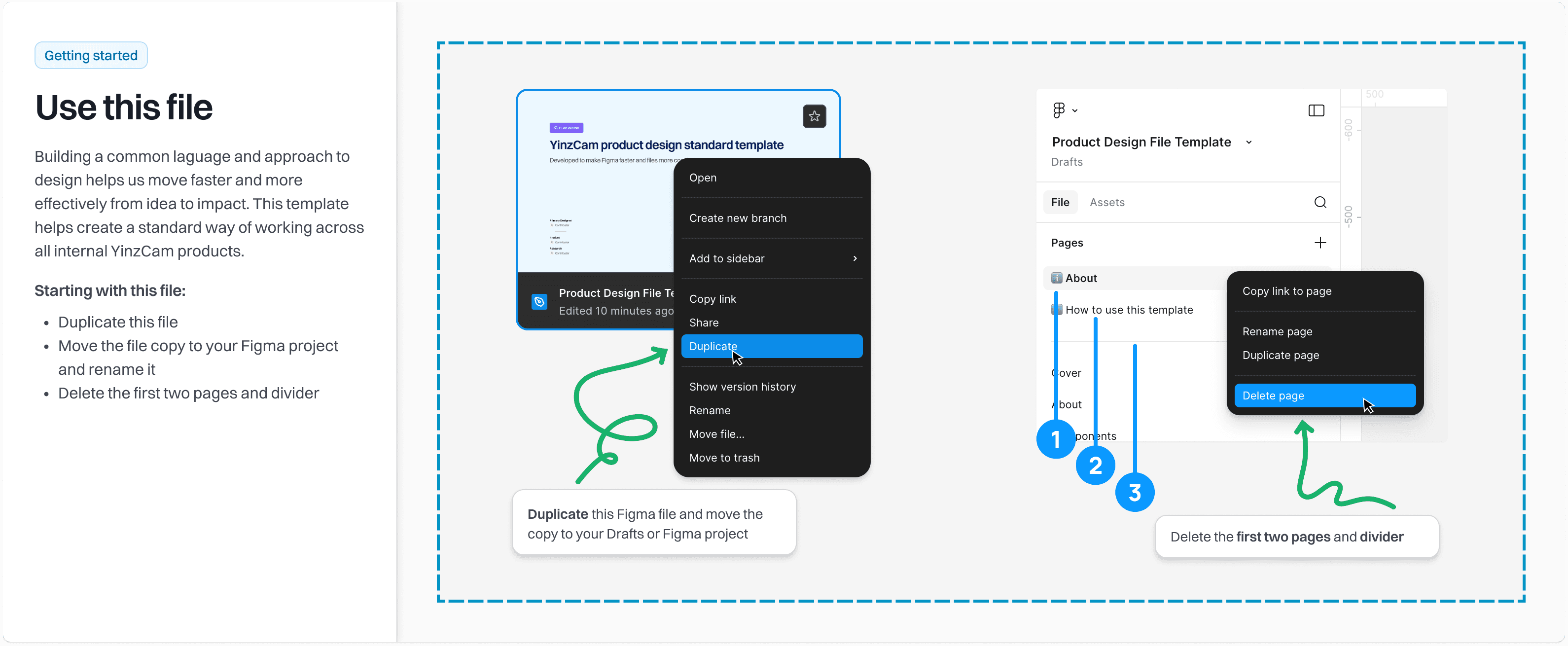
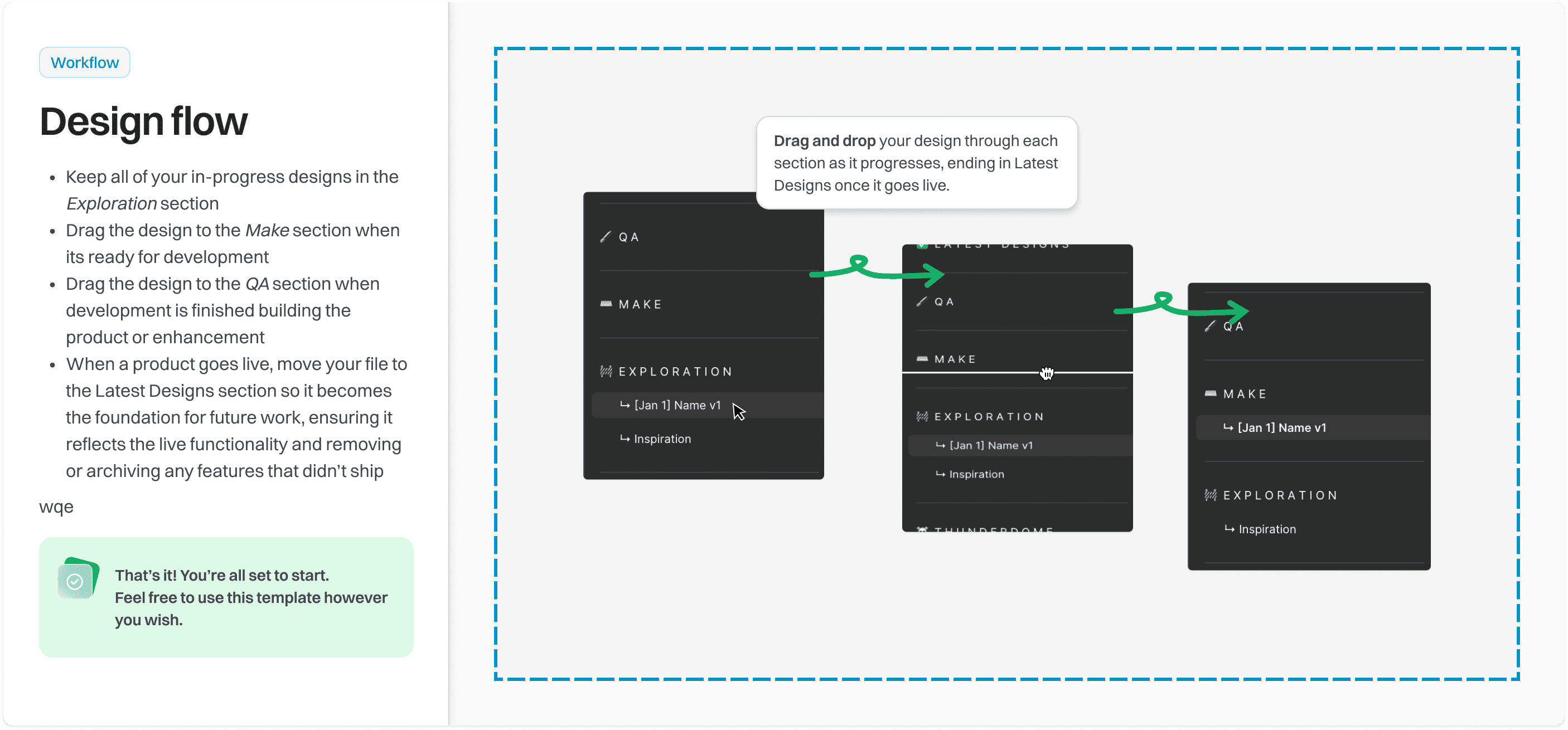
The template provides clear structure and governance. It guides users through document duplication, change log management, design system installation, component tracking, and future requests. Jira and Loom integrations support traceability and communication throughout. Designs progress through four defined stages: Explore, Make, QA, and Latest Design. This insures clarity around ownership and status:
🚧 Exploration is where iteration happens
⌨️ Make is handed off to engineering and remains locked
🖋️ QA supports visual validation and annotation
✅ Latest Design serves as the single source of truth for what is currently in production.
The Thunderdome
A core principle of the template is participatory critique. Design feedback is often limited to verbal discussion, but Figma’s strength lies in enabling real-time, multi-user design. To encourage hands-on collaboration, the template includes a dedicated sparring area called The Thunderdome, a playful but intentional environment where designers visually demonstrate improvements by designing alongside one another. Instead of talking about solutions, the team works in the design together, putting ideas directly on the canvas. In a very clean file, this is the designated chaos zone built for play. Rough ideas, sketchy concepts, and half-formed thoughts welcome.
"Two designs enter. One design leaves.
– Tina Turner as Aunty Enity from Mad Max
Impact
By enforcing versioning, logging changes, and preventing edits to outdated files, the template reduces design drift, minimizes rework, and preserves institutional knowledge. Overall, it functions not just as a file structure, but as a shared system that aligns teams, lowers friction, and helps complex products move forward with confidence and clarity.